GPS Watch Nutrition Integration for Precision Fueling
By Nadia Okafor • 7th Feb
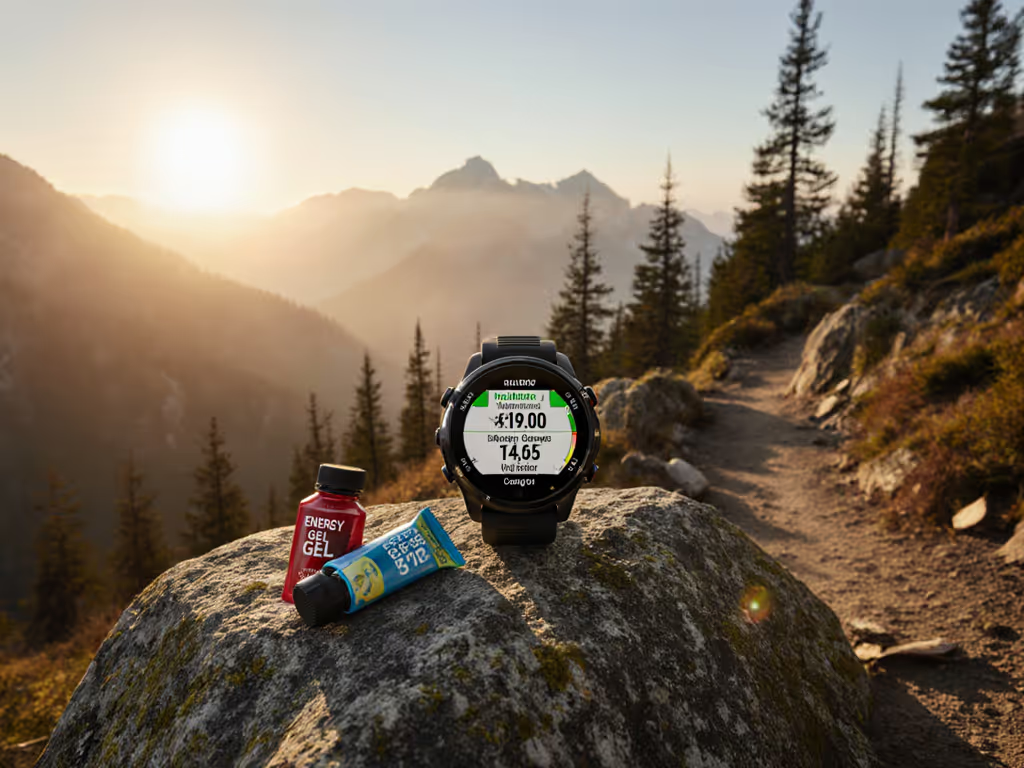
When your GPS watch nutrition integration extends beyond calorie counting to inform fueling strategy tracking, it becomes mission-critical gear, not a gimmick. For field teams operating where resupply is impossible, knowing how terrain, elevation, and exertion impact nutrient needs isn't lifestyle optimization. It's operational continuity. I've seen expeditions stall because athletes hit energy walls their devices didn't predict. True integration means syncing nutritional data with your actual movement (not just logging meals while stationary). Standards reduce stress.
Why should professionals care about GPS-nutrition integration?
Most athletes think nutrition tracking is for weight management. For guides, SAR volunteers, or researchers enduring 12+ hour days in remote zones, it's about avoiding hypoglycemia during critical phases (like summit pushes or river crossings). Generic apps fail here because they don't contextualize fueling against real-time GPS variables: elevation gain per hour, wind resistance, or trail difficulty. Without this sync, your "2,500 daily calorie" target is meaningless when you're burning 600/hour climbing scree slopes. Your watch already tracks vertical gain and heart rate variability; why isn't that informing how much glycogen you're depleting?
Does fueling strategy tracking actually improve accuracy?
Not all systems deliver equal precision. Many watches guess calorie burn using generic formulas. Reliable fueling strategy tracking requires:
- Calibration against field data (e.g., validating burn rates during alpine ascents)
- GPS nutrition synchronization that factors in pace on specific terrain (canyon heat vs. forest shade)
- Macronutrient planning adjusted for dehydration risk (sweat loss alters sodium needs)
Garmin's new Connect+ platform claims integration but requires paid access, yet even there, hydration monitoring GPS relies on wrist-based sensors vulnerable to cold-induced inaccuracies. Third-party tools like Cronometer pull GPS data via API, but proprietary barriers often limit data granularity. For a breakdown of watch ecosystems and third-party integrations, see our GPS watch ecosystem analysis. True accuracy demands cross-referencing watch data with external metrics (e.g., sweat sodium tests). If your system can't export raw calories-by-elevation data for your nutritionist, distrust its models.
Can hydration monitoring GPS replace manual tracking?
Only if it accounts for environmental stressors. Basic hydration alerts assume flat-land exertion. In reality, a 3,000m ascent in dry air dehydrates you faster than coastal running. Reliable GPS hydration monitoring must correlate:
- Altitude-induced respiratory water loss
- Wind speed (measured via pressure sensors)
- Solar radiation (via UV index integration)
Yet few platforms share this data openly. When Garmin tied hydration to nutrition in Connect+, it still couldn't sync blood glucose from medical devices (a critical gap for diabetics managing field work). Without API access to push this data to Medtronic or Dexcom, you're manually cross-referencing apps mid-mission. Ownership means control; buy tools you can keep using and moving. To protect exported fueling and location data across platforms, review our GPS watch data privacy guide.
What's the biggest risk of proprietary nutrition systems?
Single-point-of-failure dependency. As one national park SAR team learned: relying solely on a watch's nutrition dashboard meant scrambled meals couldn't be logged during a satellite outage. No offline food database. No barcode scans without cell service. They lost two hours recalculating electrolyte needs from paper charts, time that cost them a daylight rescue window. Contrast this with systems using open databases like USDA's FoodData Central, where nutrition files export as CSV for offline use. If your GPS nutrition synchronization requires constant cloud access, it's not field-ready.
How to evaluate long-term value beyond hype?
Skip the "all-in-one wellness" marketing. For field professionals, cost-of-ownership hinges on three thresholds:
- Exportability: Can you pull full nutrition logs as .CSV without proprietary software?
- Support windows: Does the manufacturer commit to 5+ years of firmware updates? (Garmin's recent policy: 3 years for most watches) For brand-by-brand timelines, see our software support cycle breakdown.
- Sensor agnosticism: Will it accept third-party glucose monitors or hydration straps via ANT+?
A $700 watch with locked nutrition data holds negative value if you lose it in the backcountry. Compare this to a $450 platform with open APIs: its data remains usable even if you switch devices. Policy citations matter, check warranty terms for "data access continuity" clauses. Spoiler: Few have them.
Final Verdict: Integration That Earns Its Place on Your Wrist
GPS watch nutrition integration only delivers precision fueling when it operates as a redundant, open node in your toolkit (not a gated ecosystem). If your watch vendor treats nutrition data like a subscription service, you're renting autonomy. Demand exportable files, years-long support commitments, and cross-platform compatibility. For now, the most reliable setups pair open-source nutrition apps (like Open Food Facts) with GPS watches offering robust ANT+/BLE sensor support. This avoids the trap of tying critical fueling strategy tracking to a single device's lifespan. When your next summit push depends on nailing electrolyte timing, you'll want tools that work with you (not against you). Own your tools; don't rent them from a logo.
Related Articles